
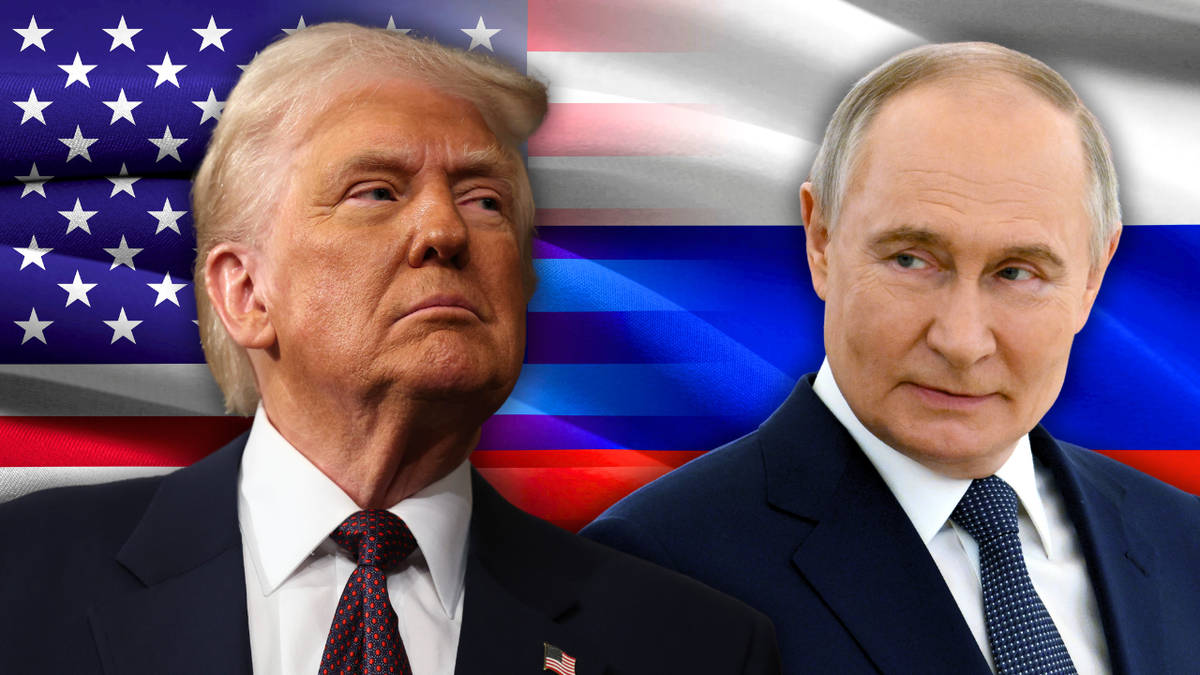
Russia reacted strongly after the United States imposed significant new sanctions on its two largest oil companies, Rosneft and Lukoil, in response to the ongoing war in Ukraine. Russian officials called the move entirely counterproductive, warning that it could escalate tensions further. Oil prices surged as global traders expressed concern over potential disruptions to supply. President Trump’s decision reflects growing frustration with Vladimir Putin and led to the cancellation of a previously anticipated summit with the Russian leader.
The sanctions carry both political and economic implications. For months, Russia had successfully avoided earlier threats and deadlines, but the new measures specifically target companies responsible for roughly half of the country’s oil exports. Russian authorities argue the sanctions are unlikely to achieve their intended effects. Dmitri Medvedev, former president and deputy head of Russia’s Security Council, stated that the United States has positioned itself as an adversary fully committed to a hardline stance against Moscow.
Furthermore, analysts warn that the sanctions may impact global energy markets and international diplomacy. Traders and energy experts are closely monitoring crude oil prices, while governments assess potential knock-on effects on energy security. The measures underscore the escalating tension between Washington and Moscow and the broader implications for energy markets and international relations.
U.S. Imposes Major Sanctions on Russian Oil Firms Amid Rising Tensions
The economic consequences of the new U.S. sanctions on Rosneft and Lukoil remain uncertain. Their ultimate impact will depend on U.S. enforcement and Russia’s ability to implement workarounds, including leveraging the so-called Shadow Fleet. Additionally, India, a major importer of Russian oil, could influence outcomes depending on whether it aligns with U.S. policy and reduces purchases. Oil traders and financial analysts are closely monitoring global markets for any ripple effects from these measures.
Experts warn that disruptions to Russian oil exports could affect global energy prices. While the sanctions aim to weaken Russia’s revenue streams, unpredictable market responses and alternative supply routes may reduce their immediate effectiveness. Observers note that continued geopolitical tensions, combined with strategic alliances, will shape both regional and global energy dynamics in the coming months.
Trump Opts Against Supplying Tomahawk Missiles to Ukraine Amid Strategic Considerations
Former President Trump previously threatened to supply Tomahawk missiles to Ukraine but ultimately decided against it. He cited the extensive training required to operate the weapons as a key factor. Experts suggest the decision also reflects Russia’s nuclear leverage and Trump’s preference for applying other forms of pressure before escalating military support. This move has drawn attention from international observers analyzing U.S. strategy in the ongoing Ukraine conflict.
Ukrainian President Volodymyr Zelensky has weighed the U.S. proposal to freeze current battle lines and now accepts it as a necessary compromise. European leaders played a significant role in influencing Ukraine’s alignment with this approach, recognizing that reclaiming all lost territory may be unrealistic. While the decision reflects diplomatic coordination, it underscores the delicate balance between military strategy and political negotiation in Eastern Europe.
Despite the compromise, concerns remain regarding President Putin’s broader intentions. Analysts warn that Russia may seek not only territorial control but also influence over Ukraine’s policies and governance. The situation highlights the complex intersection of military strategy, diplomacy, and international security in the region.


