
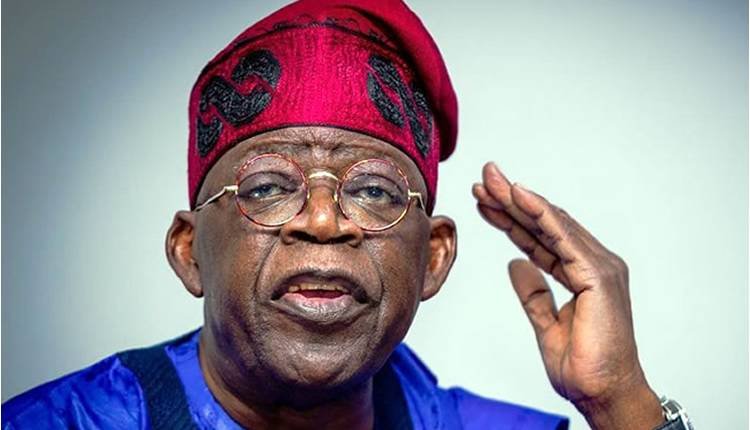
President Bola Ahmed Tinubu arrived in Paris this week not merely as a head of state on a diplomatic courtesy call, but as a chief executive pitching the most ambitious economic transformation programme in Nigeria’s recent history to some of the world’s most discerning investors. The message from the Nigerian delegation was clear, consistent, and calibrated: the reforms are real, the numbers are moving, and the time for international capital to take Nigeria seriously is now.
At the Paris meetings, the Minister of Finance and Coordinating Minister of the Economy, Mr Taiwo Oyedele, presented the economic outlook and announced that Nigeria recorded 11.2 per cent growth in dollar-denominated GDP in 2025 — a record that reinforces the country’s ambition of building a $1 trillion economy by 2030. This is not a trivial figure. Dollar-term GDP growth is the metric that matters most to international investors making capital allocation decisions, and 11.2 per cent signals that Nigeria’s naira stabilisation and reform programme is beginning to yield measurable, credible returns.
The investor group that met with the Nigerian delegation included representatives from Citibank, Amundi, BlueCrest, Ninety One, Kirkoswald Capital, Principal Finisterre, Prudential Global Investment Management (PGIM), and Mesarete Capital — a roster that reads like a who’s who of global institutional finance. Their presence signals genuine institutional curiosity about Nigeria’s investment potential, not just diplomatic courtesy. The Director-General of the Debt Management Office, Mrs Patience Oniha, assured investors of the government’s responsible approach to debt financing and its focus on sustainable debt management.
Read More: NNPC Signs Chinese Refinery Deal as Nigeria University Strike Deadlocks and South Africa Tensions Force Abuja Diplomatic Action
President Tinubu used the Paris platform to outline a comprehensive reform narrative. He reaffirmed the government’s commitment to deepening reforms, enhancing transparency across the oil value chain, and advancing a multi-pronged security strategy that includes police decentralisation and the disruption of terrorist financing. These are precisely the assurances that global investors need before committing long-term capital — not just macroeconomic stability, but institutional predictability and the rule of law.
The Paris engagements also carried a subtle but important political dimension. When one investor asked about the President’s post-2027 agenda, Tinubu pledged to sustain fiscal discipline, transparency, and policy consistency — a statement that served simultaneously as a governance commitment and a political signal about continuity of vision beyond any single electoral cycle. Nigeria’s creditors and institutional partners have long cited policy inconsistency as their primary concern. That promise, made in Paris before global fund managers, now carries a weight that domestic political pronouncements alone cannot match.
Key Highlights:
- Nigeria records 11.2% dollar-denominated GDP growth in 2025
- Tinubu meets Citibank, Amundi, PGIM, and other top-tier fund managers in Paris
- $1 trillion economy target by 2030 anchors Nigeria’s investor pitch
- DMO assures investors on sustainable debt management strategy
- President commits to oil sector transparency and police decentralisation


