
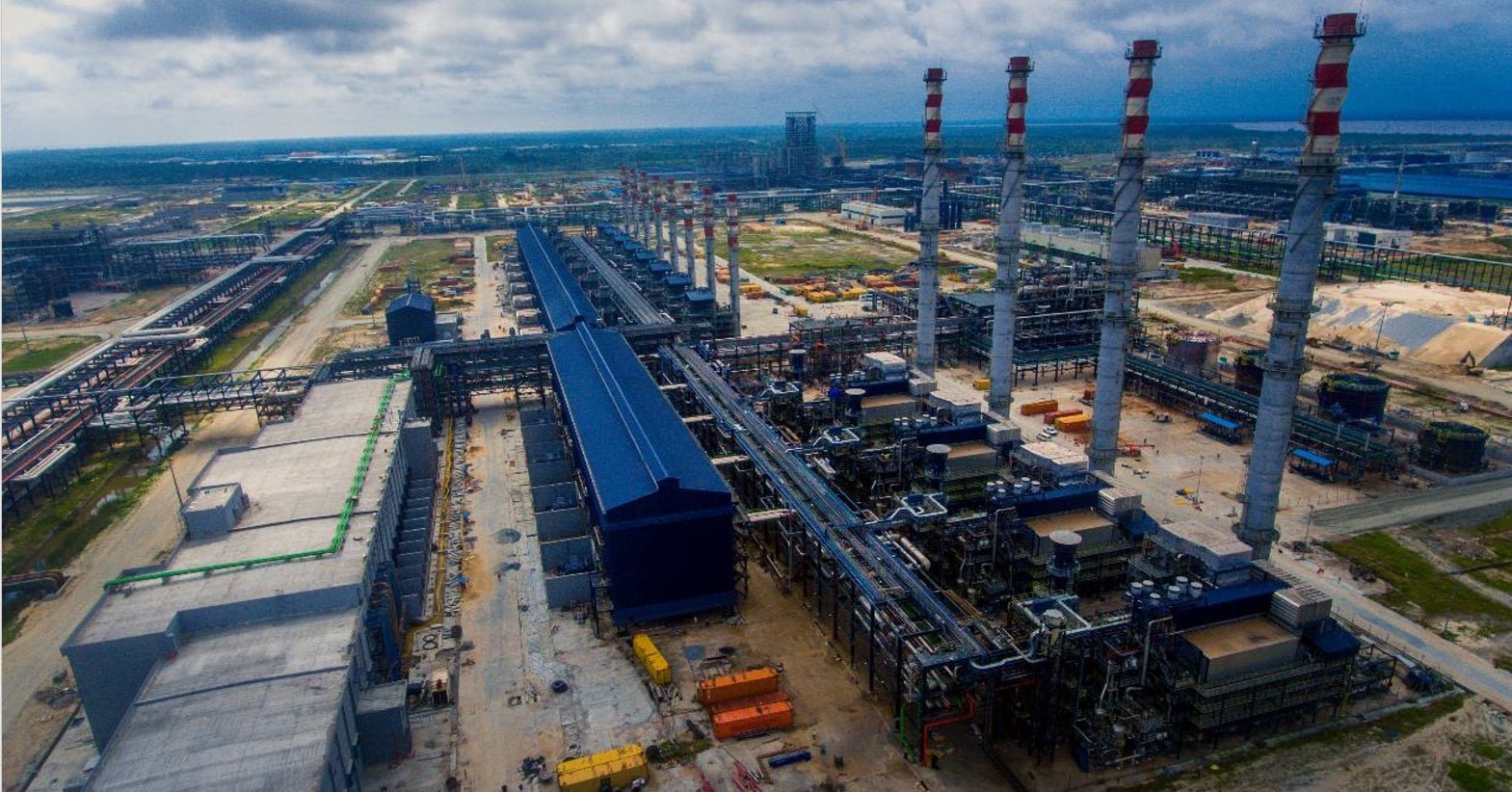
Dangote’s has signaled a strategic pivot from refined petroleum to electricity generation, and if the plan reaches even partial execution, it will transform the cost architecture of the Nigerian economy.
Nigeria’s electricity crisis is the country’s most persistent and economically damaging structural failure. Decades of public sector mismanagement, insufficient investment, transmission losses, and an operational environment hostile to private capital have produced a national grid that cannot meet the demands of a population of over 220 million people, leaving households, businesses, hospitals, and schools dependent on diesel generators that consume billions of naira in fuel costs annually. Against that backdrop, Aliko Dangote’s announcement of a 20,000-megawatt power generation project, disclosed at a high-level meeting with International Finance Corporation Managing Director Makhtar Diop at Aso Rock on May 7, 2026, represents either the most transformational private sector commitment in Nigerian economic history or the most ambitious statement of intent that the country has ever heard from its wealthiest citizen.
Dangote Group’s credibility on large-scale execution has been established definitively by the Dangote Refinery, a $20 billion-plus project that analysts declared impossible for years before it became operational. That track record is the most important context for interpreting the 20,000MW announcement. When Dangote says he will build something, the Nigerian business and investment community has learned to take the declaration seriously. The IFC’s engagement with Dangote during the meeting suggests that international development finance institutions are already thinking about how to structure participation in what could become Africa’s largest private power project.
Dangote identified inadequate electricity as Africa’s single greatest barrier to economic competitiveness, a diagnosis that is not controversial among economists, manufacturers, or development practitioners. Nigeria’s effective generation capacity hovers between 4,000 and 5,000 megawatts, an absurdly inadequate figure for an economy of Nigeria’s scale and ambition. The gap between available power and productive demand is a direct tax on every business, every factory, and every household in the country. It is the reason Nigerian manufacturing costs are structurally elevated compared to regional competitors. It is a primary driver of the inflation embedded in consumer goods prices. It is the reason fintech companies struggle to attract world-class talent willing to work locally: the operating environment simply depletes energy, time, and productivity in ways that global-standard professionals find unacceptable.
A 20,000MW project would require transformative investment in generation infrastructure, fuel supply, transmission capacity, and distribution networks. Dangote has noted that stronger cash flow from his existing businesses, particularly the refinery, is enabling the Group’s expansion ambitions. The Ajaokuta-Kaduna-Kano Gas Pipeline, which the Tinubu administration is advancing as a strategic infrastructure project, would provide critical feedstock for gas-fired power generation at the scale Dangote envisions. The convergence of the gas pipeline and the power project, if coordinated effectively between the public and private sectors, could finally unlock the industrial energy that Nigeria’s manufacturers, miners, and digital economy companies have needed for decades.
Read More :Tinubu Deploys Infrastructure as Political Currency: The 2027 Strategy Behind Nigeria’s Visible Projects Push
Nigeria’s external reserves at $50 billion, the naira’s relative stability following the painful liberalization, and improving investor sentiment create a more hospitable environment for this kind of capital commitment than existed even two years ago. The IFC’s presence in the conversation signals that concessional financing instruments may be available to reduce the cost of capital for a project of this scale.
The hard question is execution and timeline. Nigeria has seen ambitious power sector announcements before. The difference this time is the identity and track record of the man making the announcement.
Today’s Key Highlights:
- Dangote unveils 20,000MW power project at Aso Rock meeting with IFC Managing Director Makhtar Diop on May 7, 2026
- Plan represents a strategic pivot for Dangote Group beyond cement, fertilizer, and refining into large-scale energy generation
- Nigeria’s current effective power generation stands between 4,000 and 5,000 MW against a population of over 220 million
- AKK Gas Pipeline under the Tinubu administration could serve as critical fuel supply infrastructure for the project
- IFC engagement signals potential international development finance participation in the venture


