
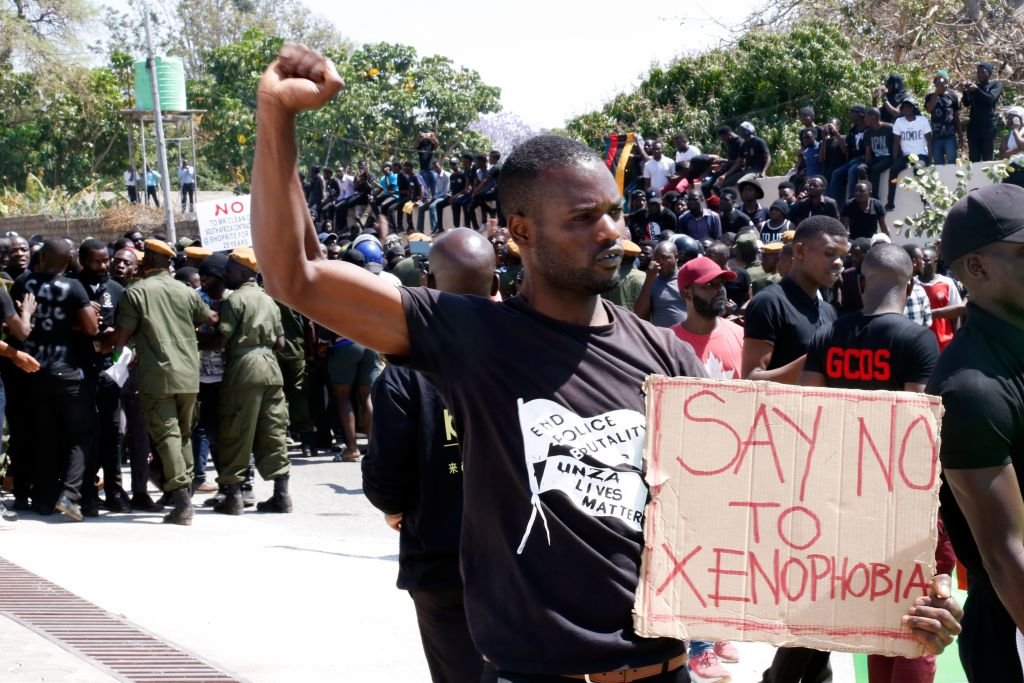
With two Nigerians already dead, 130 citizens registered for evacuation, and lawmakers threatening economic retaliation, the Nigeria-South Africa relationship is under its most severe strain in years.
The relationship between Africa’s two most powerful economies — Nigeria and South Africa — has been plunged into its deepest crisis in years following a fresh wave of xenophobic violence targeting Nigerian nationals. What began as anti-immigration protests in South Africa has escalated into a full-scale diplomatic confrontation that is testing the limits of Abuja’s foreign policy resolve and forcing a national conversation about how Nigeria protects its citizens abroad.
The Tinubu-led Federal Government summoned South Africa’s Acting High Commissioner for an urgent meeting in Abuja on May 4, 2026, at the Ministry of Foreign Affairs, with the objective of formally conveying Nigeria’s profound concern regarding recent events that have the potential to impact the established cordial relations between both countries. The summons came after protests in South Africa between April 27 and 29, 2026, targeting foreign nationals in Pretoria and Johannesburg, and following the deaths of two Nigerian citizens in separate incidents involving South African security forces.
The first victim, Amamiro Chidiebere Emmanuel, died on April 25, 2026, as a result of injuries sustained from beatings by military personnel of the South African National Defence Force in Port Elizabeth. The second, Nnaemeka Matthew Andrew, was found dead at the Pretoria Central Mortuary following an alleged interaction with members of the Tshwane Metro Police. Foreign Minister Bianca Odumegwu-Ojukwu described both incidents as “utterly condemnable and unacceptable,” demanding full accountability from South African authorities.
Read More: Tinubu Courts Global Capital in Paris as Nigeria Posts Record 11.2% Dollar-Term GDP Growth — The Road to a $1 Trillion Economy
President Tinubu has directed that Nigeria’s missions in South Africa set up, with immediate effect, a Crisis Notification Unit for imperilled citizens. The government has simultaneously initiated voluntary repatriation arrangements. 130 Nigerians have registered for evacuation as of early May, with the number expected to rise as more citizens request assistance to return home. The National Assembly has stepped in firmly, with the Senate resolving to dispatch a high-level delegation to South Africa to formally register Nigeria’s displeasure at parliamentary level, while the House of Representatives recommended a review of bilateral relations and a temporary suspension of business permits for South African companies operating in Nigeria.
The National Association of Nigerian Students (NANS) South West Zone has threatened to protest and stage demonstrations at South African businesses across Nigeria — a development that could escalate economic tensions and affect brands including MTN and DStv. Nigeria’s Senate has issued explicit warnings: if South Africa fails to act, Nigerians will act. The political temperature on both sides of the relationship demands urgent, sustained diplomatic engagement before it descends further.
Today’s Key Highlights:
- Two Nigerians died in South Africa in separate incidents involving security forces in April 2026
- Nigeria summoned South Africa’s Acting High Commissioner on May 4, 2026, for emergency diplomatic talks
- 130 Nigerians have registered for voluntary evacuation; a Crisis Notification Unit has been established
- The National Assembly is considering suspending business permits for South African companies in Nigeria
- NANS has threatened protests targeting MTN, DStv, and other South African-owned businesses


