
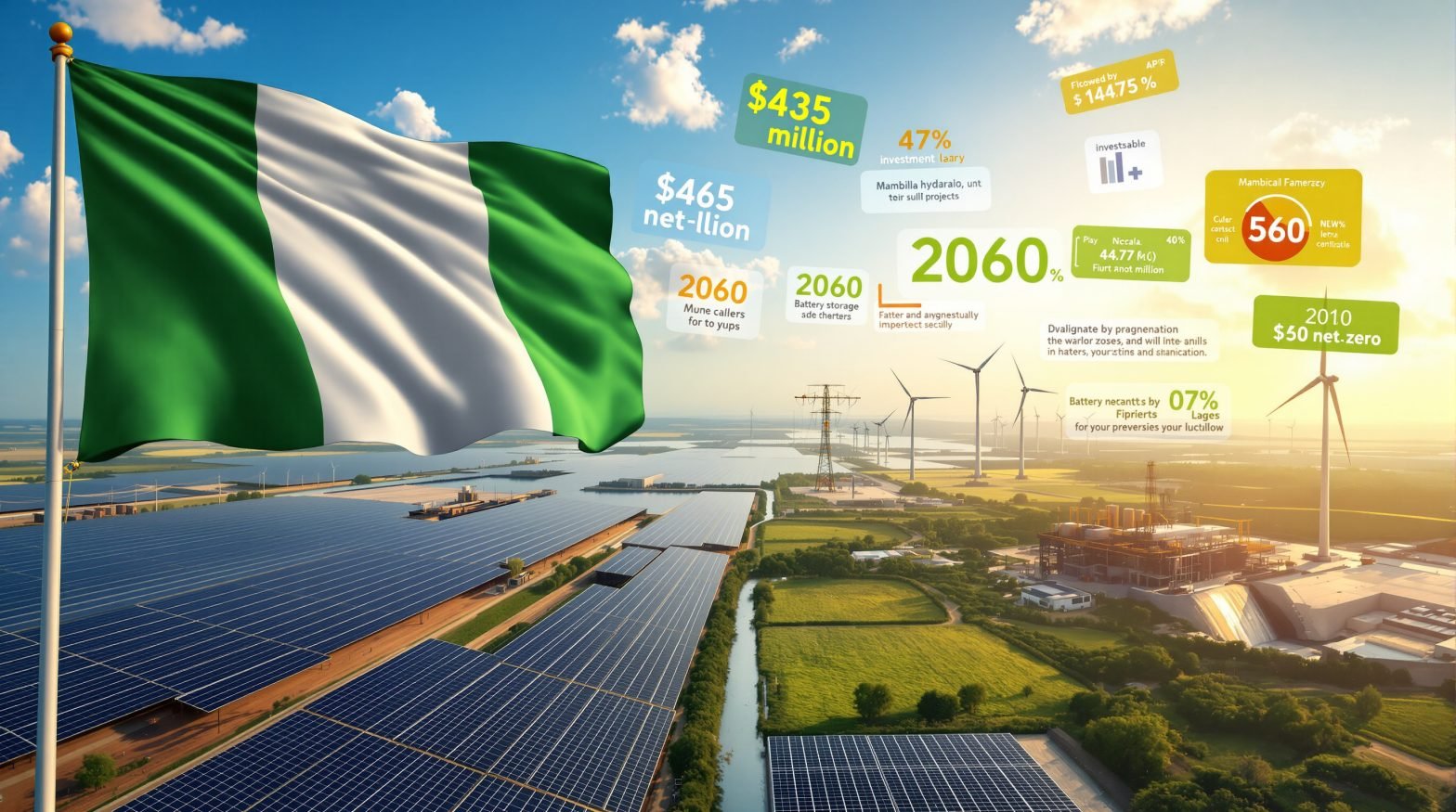
Nigeria is currently expanding its renewable energy investment strategy as part of a broader plan to improve electricity access and reduce its long-term dependence on fossil fuels. This shift is an important part of national development planning, as energy remains one of the most critical factors affecting economic growth, industrial productivity, and quality of life. The government sees reliable electricity as essential for reducing poverty, supporting businesses, and encouraging investment across different sectors.
One of the main reasons for this focus on renewable energy is the country’s ongoing struggle with energy shortages. For many years, Nigeria has faced frequent power outages, limited grid coverage, and inconsistent electricity supply. These challenges have affected households, small businesses, and large industries alike. As a result, many companies rely on expensive alternatives such as diesel generators, which increase production costs and reduce competitiveness. The renewable energy strategy is intended to address these structural problems in a more sustainable way.
A major component of the initiative is the expansion of solar energy projects. Solar power is considered particularly suitable for Nigeria due to its abundant sunlight throughout the year. These projects are being deployed in rural and semi-urban communities where access to the national grid is limited or unreliable. By installing solar mini-grids and standalone systems, the government aims to bring electricity to areas that have historically been underserved. This is expected to improve education, healthcare delivery, and small-scale business activities in those communities.
In addition to solar energy, wind and hydroelectric projects are also being evaluated for future expansion. While these sources are not yet as widely deployed as solar, they have strong potential for large-scale energy generation. Hydropower, in particular, has already played a role in Nigeria’s energy mix, and new developments could further increase its contribution. Wind energy is still in the early stages of development, but feasibility studies are being conducted in selected regions to assess its long-term potential.
A key driver of this renewable energy growth is the increasing use of public-private partnerships. The government is working closely with private companies to finance, build, and manage energy projects. This approach helps reduce the financial burden on the public sector while encouraging efficiency and innovation. International development agencies are also playing a supportive role by providing technical assistance, funding, and policy guidance. Their involvement helps ensure that projects meet global standards and are implemented effectively.
At the same time, Nigeria is focusing on modernizing its transmission infrastructure. Even when electricity is generated, a significant amount is lost due to outdated and inefficient transmission systems. Upgrading the national grid is therefore essential for improving overall energy delivery. These modernization efforts include replacing old equipment, expanding transmission lines, and introducing smarter grid management technologies. The goal is to reduce energy losses and ensure that more of the generated power actually reaches consumers.
Read More: Nigerian Government Intensifies Economic Reform Agenda Amid Inflation and Currency Stabilization Efforts
Officials have emphasized that renewable energy will play a central role in achieving national energy security goals. Energy security refers to the ability of a country to consistently meet its energy needs without excessive reliance on external or unstable sources. By diversifying energy production and investing in cleaner alternatives, Nigeria hopes to build a more stable and resilient energy system. This is also aligned with global trends toward reducing carbon emissions and addressing climate change.
The renewable energy strategy represents a long-term shift in how Nigeria approaches power generation and distribution. Instead of relying heavily on fossil fuels and centralized systems, the country is gradually moving toward a more diversified and decentralized energy model. This includes expanding access to rural communities, encouraging private investment, and upgrading national infrastructure.
Today’s Key Highlights
- Expansion of solar energy projects nationwide
- Focus on rural electrification
- Public-private partnerships increasing
- Grid modernization underway
- Long-term shift toward energy diversification


