
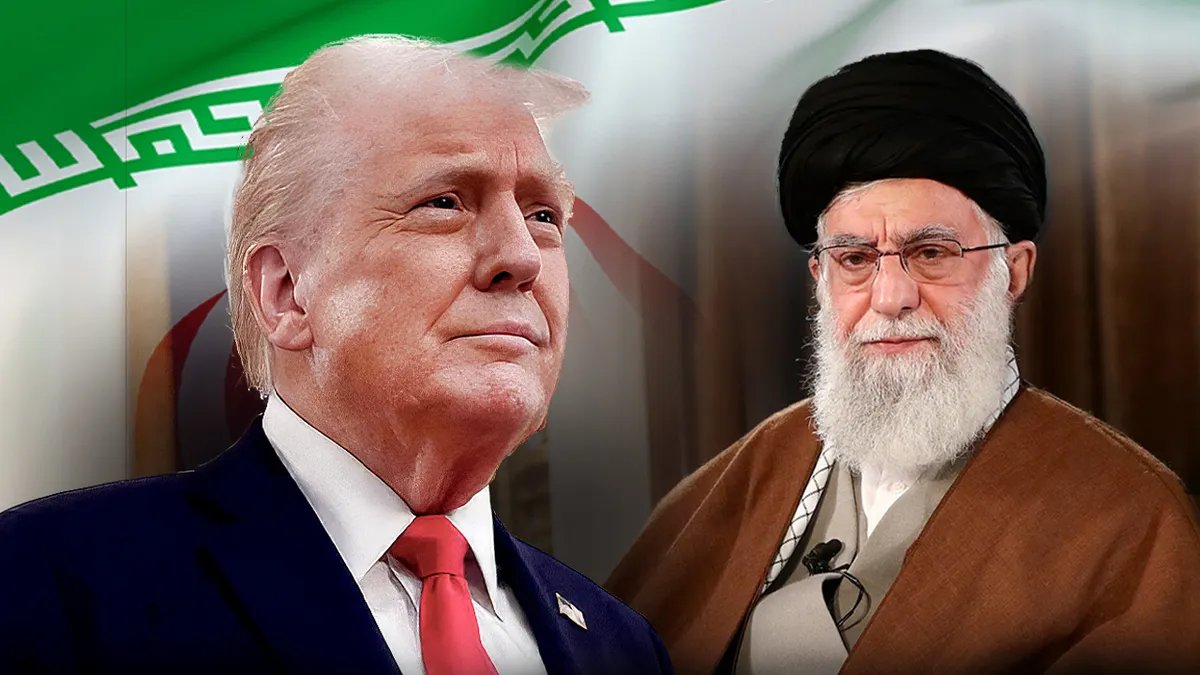
As the world’s biggest energy crisis in modern history reshapes global trade and diplomacy, Nigeria faces a delicate balancing act between its interests as an oil producer, an energy importer, and a leading voice in African multilateralism.
The 71-day conflict between the United States, Israel, and Iran, which has effectively sealed the Strait of Hormuz and triggered the International Energy Agency’s designation of the current crisis as the worst energy security emergency in recorded history, places Nigeria in a diplomatically complex position that demands careful strategic navigation by the Tinubu administration. Nigeria is simultaneously an OPEC+ member state with significant crude oil export revenues that benefit from elevated prices, a country still importing some refined petroleum products whose costs are elevated by the same crisis, and Africa’s largest economy whose diplomatic voice carries weight in the multilateral forums where the international response to this conflict is being shaped.
Nigeria’s immediate economic interest in the conflict’s resolution is paradoxical in structural terms. The surge in global crude oil prices, from levels around $60 per barrel at the start of the year to above $108, generates additional revenue for Nigeria’s federal government and strengthens the NNPC’s commercial position. The Dangote Refinery’s growing domestic output insulates Nigeria from some of the refined product import cost increases that the Hormuz closure has driven. Nigeria’s foreign reserves, already at $45.4 billion in December 2025, benefit from the crude price windfall. On the surface, the oil shock appears to benefit a net crude oil exporter.
But the structural vulnerabilities are real and must inform Abuja’s policy stance. Nigeria’s economy is not fully insulated from the global consequences of a sustained oil crisis. Global inflation, driven by energy cost transmission, threatens to slow demand in Nigeria’s export markets. The naira, which the Tinubu administration has worked methodically to stabilise through exchange rate unification and monetary discipline, faces external pressure from the dollar strength that global crises typically generate. The 12 African countries currently experiencing inflation above 10 percent annually include several that are important trading partners for Nigeria’s growing non-oil export sector. A deeper global recession triggered by an extended Hormuz closure would reduce trade finance availability, tighten export credit terms, and suppress demand across Africa’s interconnected economies.
Read More :Nigeria’s Mining Sector Draws $2.6 Billion in Foreign Investment as Tinubu Administration Bets on Solid Minerals to Break Oil Dependence
Nigeria’s diplomatic role within the African Union and in bilateral engagements with key global partners positions the country to contribute meaningfully to the international pressure for a negotiated resolution to the Iran-US conflict. The administration’s engagement with the United Nations, the African Union’s Peace and Security Council, and bilateral channels with European Union member states and Gulf Cooperation Council nations should reflect a coherent Nigerian position: that the global energy architecture serves the interests of all nations, that no bilateral military conflict should be permitted to hold the world’s energy supply hostage, and that the international community’s collective frameworks for maritime freedom of navigation require active political defence. Nigeria’s voice at these tables carries the weight of Africa’s largest economy and most populous nation.
The appointment of former Aviation Minister Femi Fani-Kayode as Nigeria’s Ambassador-Designate to South Africa, announced this week by President Tinubu after Fani-Kayode requested redeployment from an earlier posting to Germany, is a reminder that the Tinubu administration is actively managing its diplomatic representation at a moment when Africa’s regional relationships are under stress. The Nigeria Labour Congress’s formal letter to COSATU this week calling for protection of Nigerian migrants from xenophobic attacks in South Africa reflects the bilateral dimension of that stress, placing diplomatic demands on the ambassador’s role even before Fani-Kayode arrives in Pretoria.
Today’s Key Highlights:
- The Iran-US war and Hormuz closure represent the worst energy security crisis in IEA history, directly impacting Nigeria’s oil revenues and import costs
- Nigeria’s position as both an oil producer and a regional power creates a complex diplomatic mandate to support global energy stability
- The Dangote Refinery’s growing domestic output partially insulates Nigeria from imported fuel price shocks but does not eliminate external vulnerability
- Femi Fani-Kayode was appointed Nigeria’s Ambassador-Designate to South Africa this week, a posting with immediate bilateral urgency
- The NLC formally wrote to COSATU calling for protection of Nigerian migrant workers from xenophobic attacks in South Africa


