
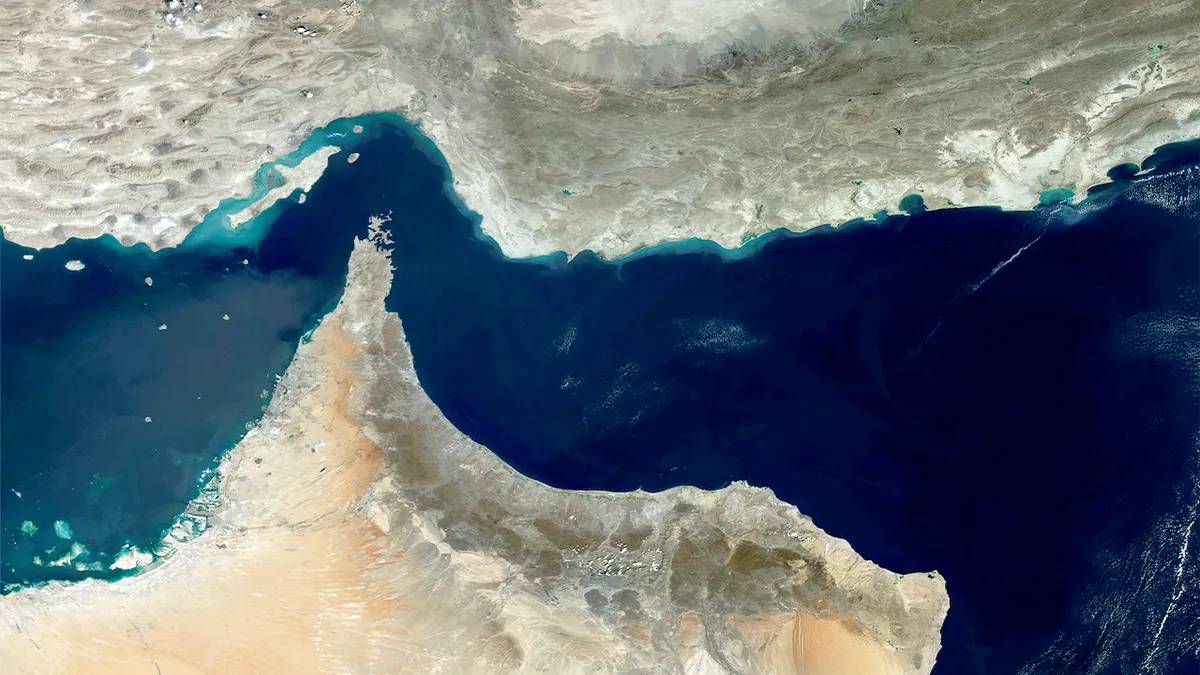
Nigeria’s foreign policy in 2026 operates at an inflection point that carries consequences far larger than bilateral trade statistics. The convergence of American tariff escalation, the Strait of Hormuz energy crisis, declining Western aid budgets, and China’s aggressive economic diplomacy across the African continent creates the conditions for the most significant realignment of Nigeria’s external economic relationships since independence.
In June 2025, China announced a zero-tariff policy granting duty-free access to all 53 African countries with which it maintains diplomatic relations, explicitly capitalizing on the backlash against Trump’s tariffs. For Nigeria’s exporters, the offer represents a meaningful commercial opportunity at a moment when American trade policy offers less certainty. Agricultural products, processed goods, and manufactured items now have preferential access to the world’s largest consumer economy.
Nigeria’s possible accession to BRICS membership carries strategic weight that extends well beyond the symbolic. The BRICS bloc now includes Saudi Arabia, Iran, the UAE, Egypt, and Ethiopia alongside founding members, making it a coalition with genuine influence over global commodity pricing, reserve currency discussions, and multilateral development financing. Nigeria’s membership would bring Africa’s largest economy and most populous nation into the coalition.
The African Energy Bank, headquartered in Nigeria, begins operations against the backdrop of this realignment. With a mandate to mobilize $200 billion for African energy infrastructure by 2030, the institution represents the most ambitious attempt yet to establish African-led development finance capacity. If it attracts Gulf sovereign wealth funds, Chinese policy banks, and reformed multilateral development institutions, it could reduce structural dependence on World Bank and IMF financing.
Read More: How Tinubu’s Oil Revenue Executive Order and Nigeria’s Upstream Investment Surge Are Rewriting the Rules of Africa’s Most Complex Energy Economy
The African Continental Free Trade Area, now operational with Nigeria as a signatory, creates the intra-African trade infrastructure that can reduce external dependence structurally. Nigeria’s domestic market of over 230 million people is the AfCFTA’s single most important prize, representing the gravitational center of African intra-continental commerce.
The diplomatic challenge for the Tinubu administration is maintaining productive relationships with Western partners, including the United States and European Union as primary foreign investors and security cooperation partners, while simultaneously deepening ties with China, Gulf states, and BRICS members. Nigeria’s traditional non-alignment doctrine, placing Africa first but not exclusively, remains the most viable framework for navigating this complex realignment.
TODAY’S KEY HIGHLIGHTS


