
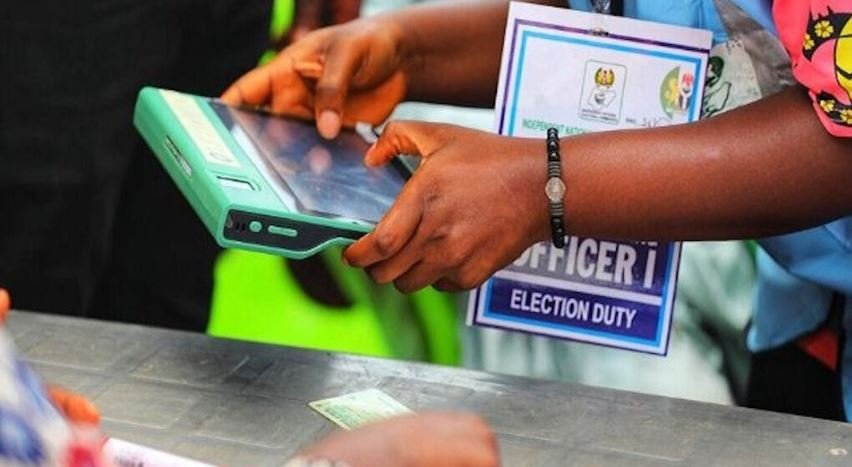
With mass defections rattling the National Assembly and the election commission warning about security risks, Nigeria’s governance institutions are stress-testing ahead of one of the most consequential elections in the country’s democratic history.
2027 Pre-Election -Nigeria’s democratic institutions are entering a period of acute pressure, with the Independent National Electoral Commission, the National Assembly, and the executive branch all grappling with the implications of an accelerating 2027 pre-election season that is reshaping the country’s political architecture well ahead of schedule. The convergence of security concerns, party instability, and civic mobilisation is placing governance systems under scrutiny in ways that will test the country’s democratic resilience.
INEC has declared security the “first and last mile” of its preparations for the 2027 elections, securing police commitment for nationwide poll protection at a moment when the political environment is already generating the kind of tension that historically precedes electoral violence in Nigeria. The commission’s unusually early focus on security logistics reflects an institutional awareness that the scale of political realignment currently underway could translate into volatile ground conditions as campaigns formally commence.
The defection of five National Assembly members in a single week, including the son of a former governor with powerful northern credentials, has highlighted the fragility of party structures that were already under strain. When multiple lawmakers simultaneously cite “internal crises and lack of direction” within their parties as the basis for defection, it suggests that the APC’s internal cohesion, in particular, faces a more serious challenge than the party’s leadership has publicly acknowledged. The emergence of the NDC as a new political vehicle, alongside the ADC’s growing absorption of defecting lawmakers, is further fragmenting an already complex opposition landscape.
For governance, the implications go beyond electoral politics. A legislature experiencing frequent mid-term realignments loses the institutional stability necessary for sustained policy-making. The defection wave adds to the growing political realignment in the National Assembly ahead of the 2027 elections, raising questions about the coherence of legislative oversight and the government’s ability to advance an ambitious reform agenda with a shifting parliamentary coalition.
Read More: Nigeria Diplomatic Posture at a Crossroads: From South Africa Tensions to Paris Investment Pitches, Tinubu Courts the World on Multiple Fronts
Security-sector watchers note that periods of intense pre-election political activity in Nigeria have historically been accompanied by increases in communal violence, electoral manipulation, and the militarisation of political disputes in contested states. INEC’s early warning about security serves as both a practical preparation and a public signal that the commission intends to enforce the integrity of the process regardless of political pressure. The extent to which the executive supports that independence will be one of the defining governance tests of 2026 and 2027.
Nigeria’s democratic institutions, still relatively young in the context of unbroken civilian governance since 1999, face their next major examination in an environment of economic reform stress, diplomatic tension, and political fragmentation. How the system absorbs that pressure will matter not just for Nigeria but for democratic governance across West Africa and the broader continent.
Today’s Key Highlights:
- INEC declares security its foremost priority for 2027 election preparations
- Five National Assembly defections in one week signal structural party instability
- APC’s internal cohesion faces its most serious challenge since 2023
- NDC and ADC emerge as primary beneficiaries of ongoing political realignment
- Nigeria’s democratic institutions face compounded governance pressures ahead of 2027


