
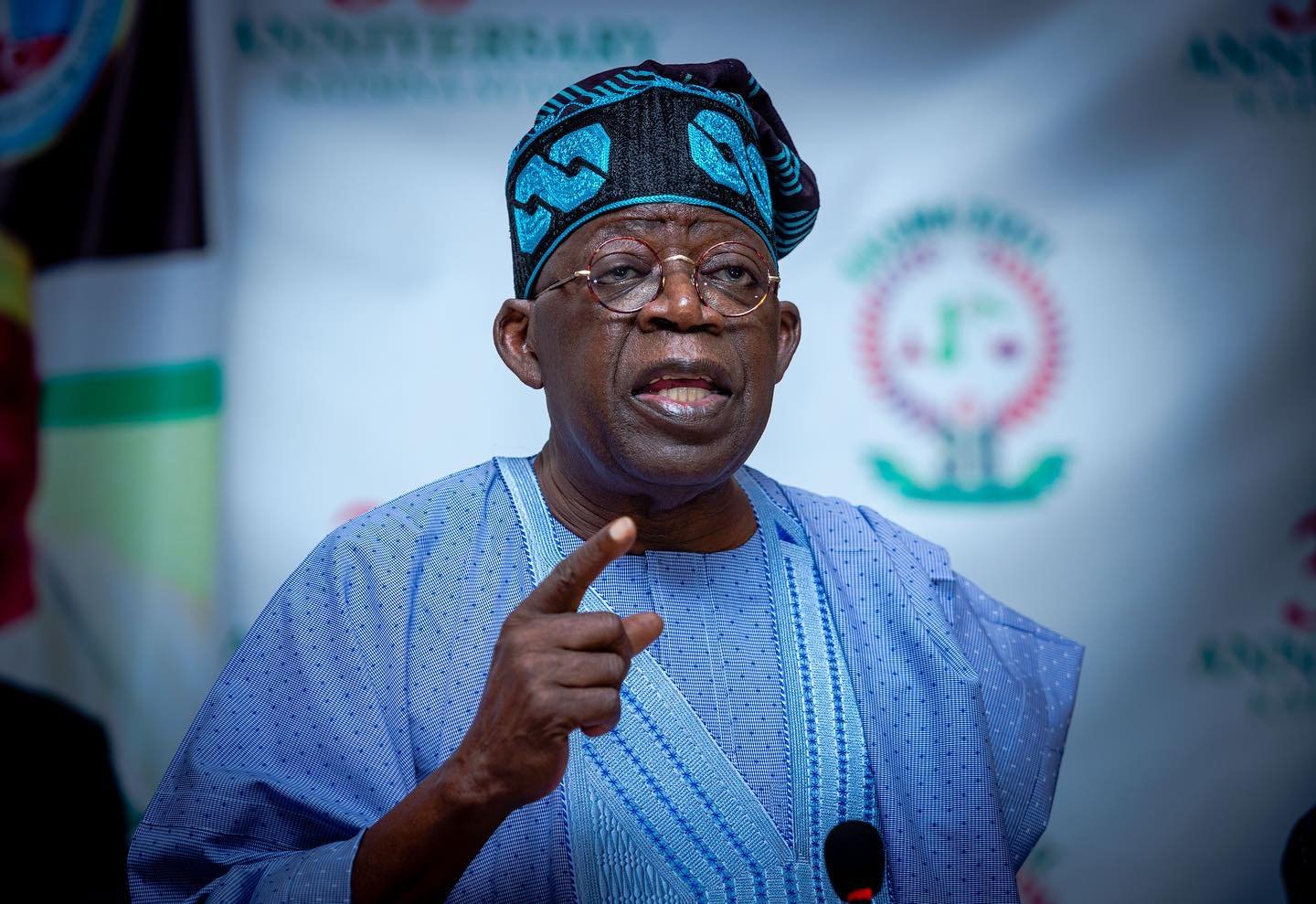
With Tinubu APC ticket secured and Nigeria’s presidential election fixed for February 20, 2027, the administration faces its hardest governance test: maintaining economic reform discipline while managing the fiscal pressures, political defections, and coalition dynamics that election cycles historically unleash.
The formal opening of Nigeria’s 2027 presidential election season places President Bola Ahmed Tinubu in the position that every democratically elected executive eventually occupies: the moment when the long-term logic of governance reform collides with the short-term imperatives of electoral politics. How that collision is managed will determine not only whether Tinubu wins a second term but whether the structural reforms of his first term embed themselves permanently into Nigeria’s institutional architecture.
Tinubu further strengthened his hand as the ruling party’s top candidate after winning overwhelming support in APC primaries against sole challenger Stanley Osifo, polling 10,999,162 votes across the country’s 8,809 wards. The completeness of that primary victory reflects the organizational depth the APC has built, but it also eliminates the intra-party competitive pressure that sometimes disciplines incumbent administrations to maintain reform credibility.
Nigeria entered 2026 with two powerful currents: the momentum of economic reforms that have begun to restore stability to prices, the exchange rate, and investor confidence, and the unmistakable pull of politics as preparations for 2027 inject money, tension, and urgency into every corner of the economy. Election cycles in Nigeria are traditionally associated with heavy cash spending, increased imports, and heightened foreign exchange demand that generate short-term inflationary pressure.
Finance Minister Taiwo Oyedele’s tax reform agenda, which includes rationalizing Nigeria’s overlapping tax laws, expanding the non-oil revenue base, and reducing compliance burdens on legitimate businesses, represents the administrative challenge of the moment. The reforms require legislative cooperation that election-year dynamics can complicate, as lawmakers facing constituency pressure have shorter time horizons than technocratic reformers building institutional foundations.
Read More: Nigeria’s Trade Account Signals Recovery But a $480 Million Surplus Built on Oil Cannot Sustain a $1 Trillion Economy Dream
Governors of key oil-producing states Rivers, Delta, and Akwa Ibom, each with huge voting populations, have pledged to support Tinubu’s re-election. This consolidation of political support from the Niger Delta reduces the immediate threat to the administration’s political flank but creates governance obligations that experienced observers of Nigerian federalism recognize immediately: political support from powerful governors comes with expectations of federal resource allocation and policy accommodation.
The administration’s long-term legacy, regardless of the 2027 electoral outcome, will rest on whether the institutions it has restructured prove durable enough to survive administration change. Institutional durability is the ultimate test of governance quality, and it is a test that Nigerian democratic governments have historically not always passed.
TODAY’S KEY HIGHLIGHTS
| ✔ Tinubu secures APC presidential ticket; INEC sets February 20, 2027 election date |
| ✔ Election-year fiscal pressures threaten monetary and reform discipline achieved since 2023 |
| ✔ Tax reform legislation faces election-year legislative timetable constraints |
| ✔ Oil-state governor defections deliver political support with governance obligation implications |
| ✔ Institutional durability of Tinubu-era reforms represents the administration’s real legacy test |


