
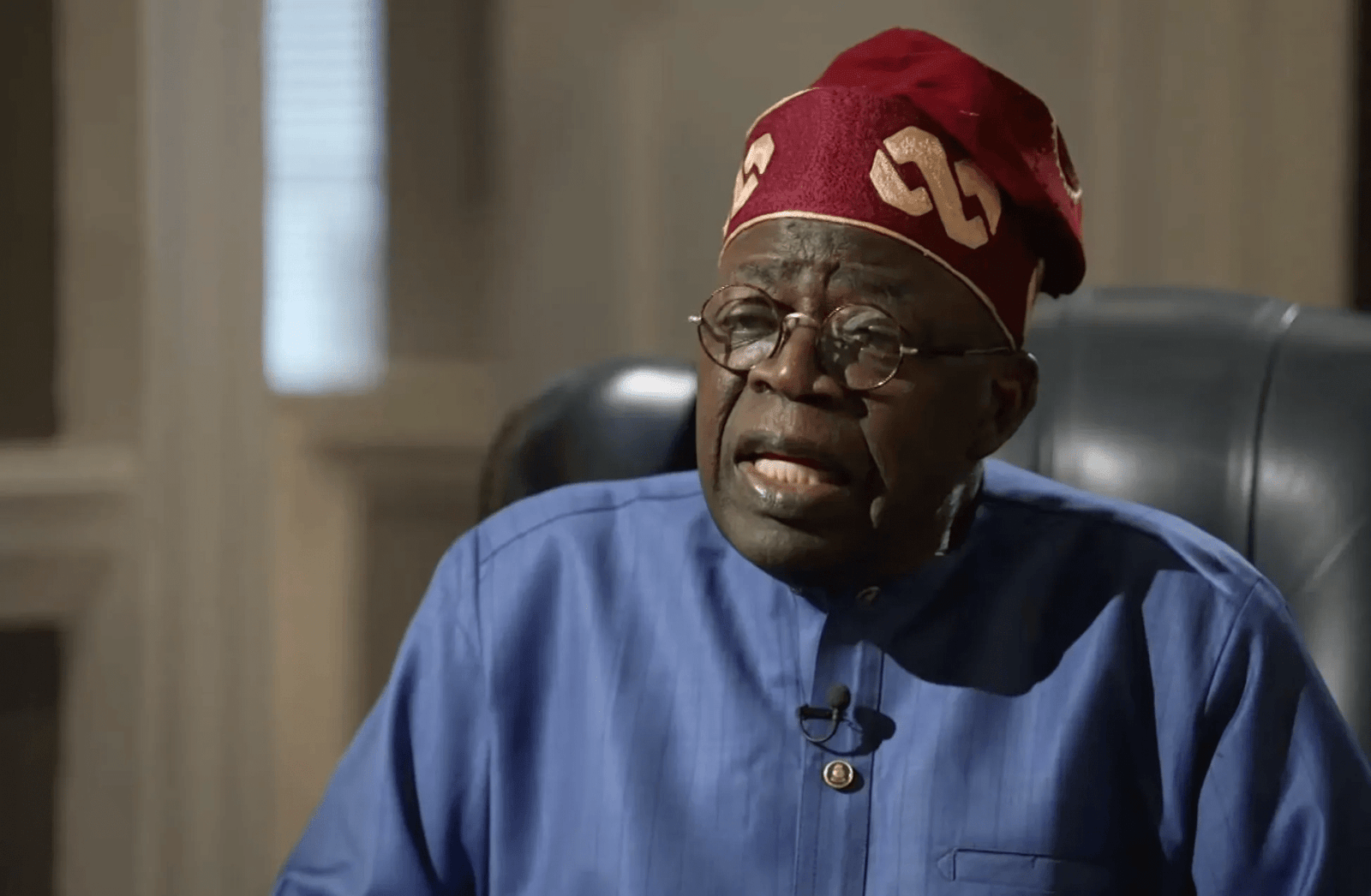
As critics debate the social costs of radical economic restructuring, data shows Nigeria’s external reserves reached a 13-year high and the naira has stabilized, while Finance Minister Taiwo Oyedele deploys the country’s most ambitious tax reform in a generation.
Governance by conviction is a rare thing in Nigerian presidential history. It carries enormous political risk precisely because the benefits it promises are deferred while the pain is immediate. President Bola Tinubu, now three years into a mandate that opened with two of the most audacious economic policy moves in modern Nigerian history, is making a calculated bet that by the 2027 election cycle, enough Nigerians will feel the payoff of the subsidy removal and exchange rate unification to award him a second term. The evidence on whether that bet is paying is, as of May 2026, genuinely mixed, but the economic architecture being built beneath the surface is more substantial than political critics are willing to acknowledge.
Nigeria’s external reserves have climbed to over $50 billion, the highest levels in thirteen years, with net reserves exceeding $34 billion, up from $3.9 billion when Tinubu took power, providing the Central Bank with greater capacity to manage currency volatility. The naira, which collapsed from roughly N460 to the dollar in 2023 to nearly N1,740 at its worst point in late 2024, has stabilized in the N1,350 to N1,450 range, still deeply devalued by historical standards but no longer in freefall. A complementary stabilizing factor has been the Dangote Refinery beginning to transform Nigeria’s energy equation, reducing the ironic dependence of Africa’s largest oil producer on imported refined petroleum products.
The appointment of Taiwo Oyedele as Minister of Finance and Coordinating Minister of the Economy in April 2026 represents the Tinubu administration’s most deliberate signal of intent yet. Oyedele, the architect of Nigeria’s sweeping tax reform package, previously chaired the Presidential Committee on Fiscal Policy and Tax Reforms, which produced four landmark pieces of legislation: the Nigeria Tax Bill, the Nigeria Tax Administration Bill, the Nigeria Revenue Service Establishment Bill, and the Joint Revenue Board Establishment Bill, all signed into law and taking effect from January 1, 2026. Moving Oyedele from policy design to direct ministerial execution removes the gap between reform architecture and operational delivery that has killed promising Nigerian economic programs before.
Read More: Nigeria’s ISIS Operation With the US Opens a New Strategic Chapter in Abuja’s International Security Partnerships
The Tax Reform Acts include exempting individuals earning N800,000 or less annually from income tax, relieving small businesses with turnover below N50 million from company income tax and capital gains tax, providing a 50 percent tax deduction for companies hiring new workers over three years, and granting a five-year corporate tax holiday for agricultural enterprises. These are not marginal adjustments. They represent a structural redesign of Nigeria’s revenue architecture, consolidating fragmented tax authorities into a single Nigeria Revenue Service and targeting the country’s chronically low tax-to-GDP ratio, which has hovered near ten percent, one of the lowest in the world for an economy of Nigeria’s size.
The presidency is also investing political capital in energy sector transformation. At the Nigeria International Energy Summit in February 2026, Tinubu reaffirmed the administration’s commitment to the Petroleum Industry Act implementation, emphasizing that consistent application of the PIA has strengthened regulatory transparency and is drawing back the international energy investment that fled Nigeria’s upstream sector during years of regulatory uncertainty. Higher oil prices, driven by the global Strait of Hormuz crisis, are also generating additional petroleum revenue that is flowing into federation accounts at levels not seen since 2014.
Today’s Key Highlights:
- Nigeria’s external reserves reached a 13-year high of over $50 billion under the Tinubu administration’s reforms.
- Taiwo Oyedele, architect of Nigeria’s landmark tax reform package, is now Finance Minister and Coordinating Minister of the Economy.
- The Tax Reform Acts, effective January 1, 2026, exempt low-income earners and SMEs from multiple tax obligations.
- The naira has stabilized in the N1,350-N1,450 band after its historic 2024 crash, supported by the Dangote Refinery’s domestic fuel production.
- PIA implementation is attracting energy investment back to Nigeria’s upstream oil and gas sector amid globally elevated crude prices.


