
From state visits to London to the WHO’s Ebola emergency and the US-China trade recalibration, Nigeria is navigating a complex global diplomatic landscape with more agency and more exposure than at any point in recent history.
Nigeria’s diplomacy in 2026 is operating at an altitude and a speed that reflects both the country’s growing strategic weight and the extraordinary turbulence of the global order it must navigate. In the span of a single month, the country has managed a high-level state visit to the United Kingdom, activated its public health emergency protocols in response to the WHO’s Ebola declaration, watched the global oil market convulse in ways that affect its export revenues and energy bills simultaneously, and tracked the US-China trade realignment in Beijing with the acute attention of a country whose own access to capital markets, technology partnerships, and trade frameworks depends on how Washington and Beijing define their economic relationship.
Nigeria and the United Kingdom agreed to address a long-standing £1.2 billion discrepancy in their bilateral trade records during a high-level meeting in London on March 18, 2026, held on the sidelines of President Tinubu’s State Visit, with both countries committing to develop a structured data-sharing system aimed at improving transparency and accountability across bilateral commerce. The trade records discrepancy reflects the practical challenge of measuring services trade and diaspora-linked financial flows that move through complex channels, and the agreement to build a joint data infrastructure is a tangible step toward making the UK-Nigeria economic relationship more legible and more manageable for both sides.
Read More: Tinubu’s Economic Reform Doctrine: From Subsidy Removal to Tax Overhaul, Nigeria’s Presidency Is Making a $50 Billion Reserves Bet on Recovery
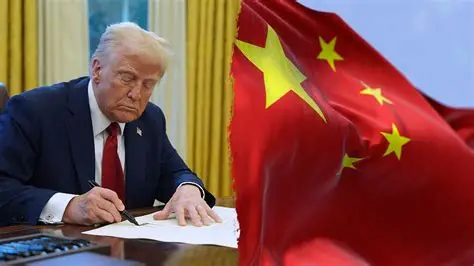
The US-China summit in Beijing, which produced agreements including China’s purchase of 200 Boeing aircraft and a commitment to buy $17 billion in American agricultural goods annually through 2028, carries indirect but real implications for Nigeria. China committed to buying at least $17 billion of US agricultural goods annually through 2028, including re-allowing American beef and poultry sales that had been suspended. The redirection of Chinese agricultural purchasing power toward American soybeans and poultry could reduce Chinese appetite for complementary African agricultural exports, while the general stabilization of US-China relations reduces the global economic risk premium that has made emerging market investment more expensive across Africa. For Nigeria, a more predictable US-China trade environment is generally positive, even if the specific deals in Beijing favor American producers over African ones.
The Ebola public health emergency declared by WHO for the DRC and Uganda places Nigeria in an immediate diplomatic and public health challenge. Nigeria’s 2014 Ebola response earned international recognition, but that success was against the Zaire strain for which vaccines exist. The WHO has cited rising cases, cross-border spread, and significant uncertainties about the scale of the Bundibugyo strain epidemic as the reasons for the Public Health Emergency of International Concern designation, while noting the situation does not currently meet the criteria for a pandemic emergency under the WHO’s International Health Regulations. Nigeria’s Ministry of Foreign Affairs is coordinating with the NCDC and the Africa CDC to ensure that border health measures do not disrupt the significant trade and travel flows between Nigeria and East Africa that have grown substantially under the AfCFTA framework.
Today’s Key Highlights:
- Nigeria and the UK committed to resolving a £1.2 billion trade data discrepancy during Tinubu’s March 2026 London State Visit.
- The US-China trade deal in Beijing stabilizes the global economic environment but redirects some Chinese agricultural purchasing toward American suppliers.
- WHO’s Ebola PHEIC declaration requires Nigeria to balance border health measures with AfCFTA trade corridor commitments.
- Nigeria’s growing diplomatic presence in global multilateral forums reflects its status as Africa’s most populous nation and largest economy.
- The Strait of Hormuz crisis and elevated oil prices create both revenue opportunities and energy cost challenges for Nigeria’s diplomacy planners.


